


As we all know, one of the most alluring parts of any creature-collecting game is forming the best team there is, and Monster Hunter Stories 3 has several systems that make the progress much easier, such as the Rite of Channeling. If you didn’t know, this feature lets you transfer genes from one Monstie to another, basically letting you fill up that bingo or even give another Monstie a few powerful abilities that would not be part of them when you initially hatch them. But if you want a deeper explanation of how that system works, here’s a guide for it.
Rite of Channeling in Monster Hunter Stories 3, Explained
After progressing through the main story of Monster Hunter Stories 3, you will unlock the Rite of Channeling feature. As the game tells you, this feature lets you move genes from one Monstie to another, and it is extremely useful, especially when you have some high-level companions in your party.
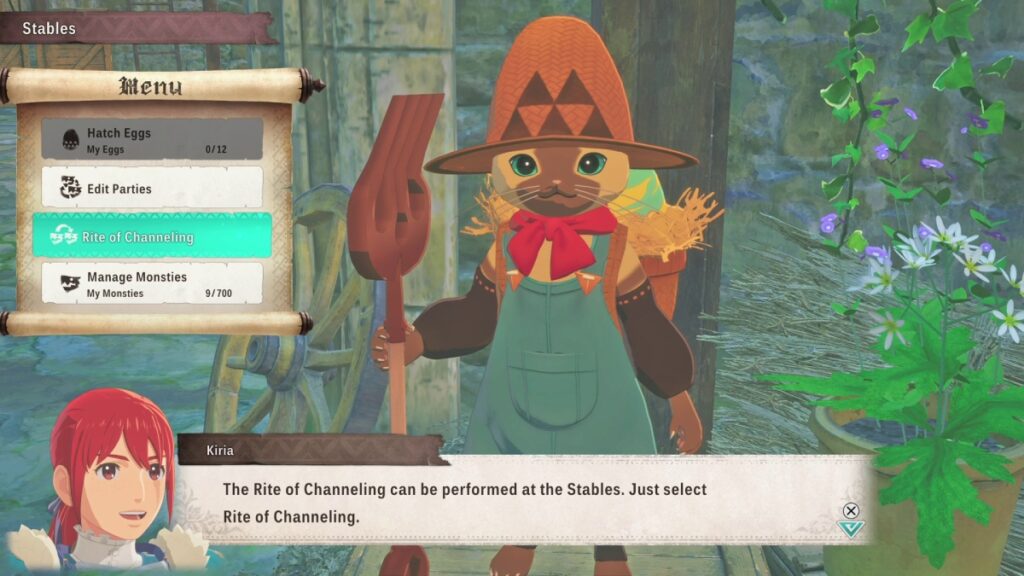
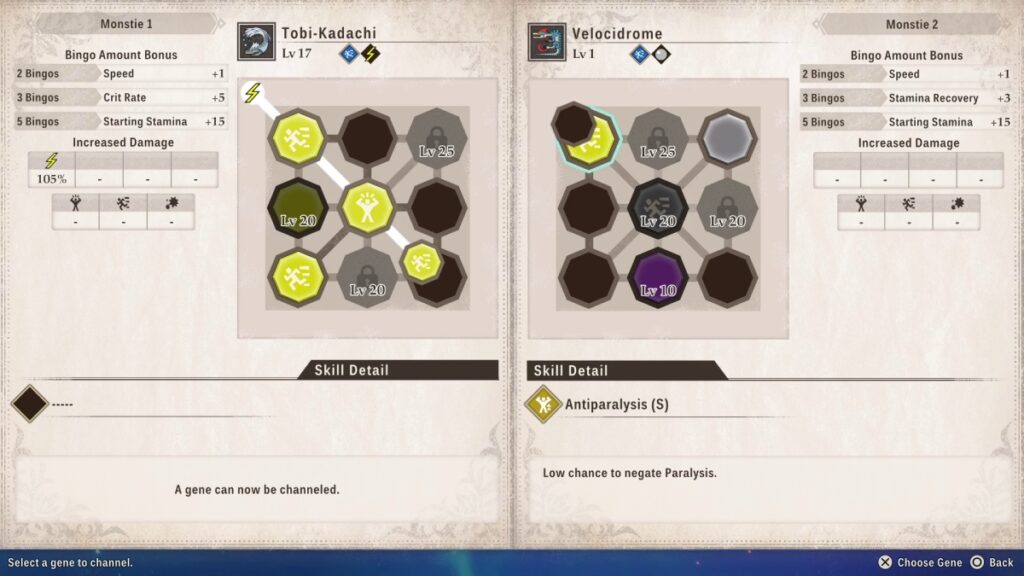
The process is pretty simple. All you need to do is find any stables to begin. First, you need to select Monstie #1. This will be the one to receive the genes. Then, you select Monstie #2, which is the one giving the genes to the other. Then, you’ll see the gene screen of the first Monstie and their available slots. Here, there are a few things you need to pay attention to:
- You can only slot new genes in open slots.
- If the slot is greyed out or has a level requirement, you won’t be able to add any gene there.
- You can move genes around to create gene chains.
- Gene chains contribute to your gene bingo, which usually gives your Monstie passive buffs, such as lining up all red genes, giving you extra fire damage. Remember that those bonuses will change depending on the monster and the type of genes you are chaining.
- You can channel genes of any rank.
- All genes, including S-rank ones, can be channeled to other Monsties, so if you want a powerful team, focus on increasing an Ecosystem Rank to S and then hatch Monsties with said rank.
- You won’t lose Monsties or genes.
- Once you channel a gene, that gene will stay on the receiving Monstie, and you’ll keep both of your companions in the process. However, if you release a Monstie, then you’ll lose it along with the genes. So, make sure to keep track of which Monstie has the genes you want to pass along.
The system is pretty straightforward, and an actual game-changer, especially after level 20 or 30, which is when most slots unlock. As a general recommendation, you should only use the Rite of Channeling when you want to give a Monstie abilities from other types, such as your Ratha getting Technical moves. After that, focus on S-Rank genes to make your team even more powerful.
